
Implant Problems
Experiencing issues with your dental implants? Dr. Devi, our Prosthodontist & Implant specialist, has the expertise to diagnose and correct implant complications

Problems with All-on-4 Dental Implants
For millions of Americans who are edentulous or have broken-down teeth, All-on-4 is a viable implant-based treatment option. Four to six implants are placed in the jaw bone to support zirconia or acrylic teeth that restore chewing ability and smile. The implants can be tilted to avoid anatomical features and may not require bone grafting or sinus lift procedures.
"All-on-4" is implant-based full mouth reconstruction that requires teamwork and coordination with a high-quality dental lab. This treatment is very technique-sensitive and its success depends on proper initial treatment planning, the expertise of the treating dentists, and excellent teamwork among the surgeon, restoring dentist, and the dental lab.
Along with the popularity of All-on-4, patient complaints have also soared. As a Prosthodontist, Dr. Devi has come across many patient complaints — lack of aesthetics, unpleasant smile, problems with chewing, prosthesis fracture, and poor hygienic designs — all leading to failures and patient dissatisfaction.
When Should You See a Specialist?
Patients are advised to go for routine exams and X-rays — early detection of problems is critical. If you suspect your dental implant is failing, consult with Dr. Devi immediately.
- Implant feels loose or painful
- Prosthesis has cracked, chipped, or broken
- Difficulty chewing or bite feels off
- Gum swelling or bleeding around the implant
- Screw has come loose or fallen out
- Unhappy with the aesthetics of your All-on-4® teeth
Examples of Prosthetic Failures
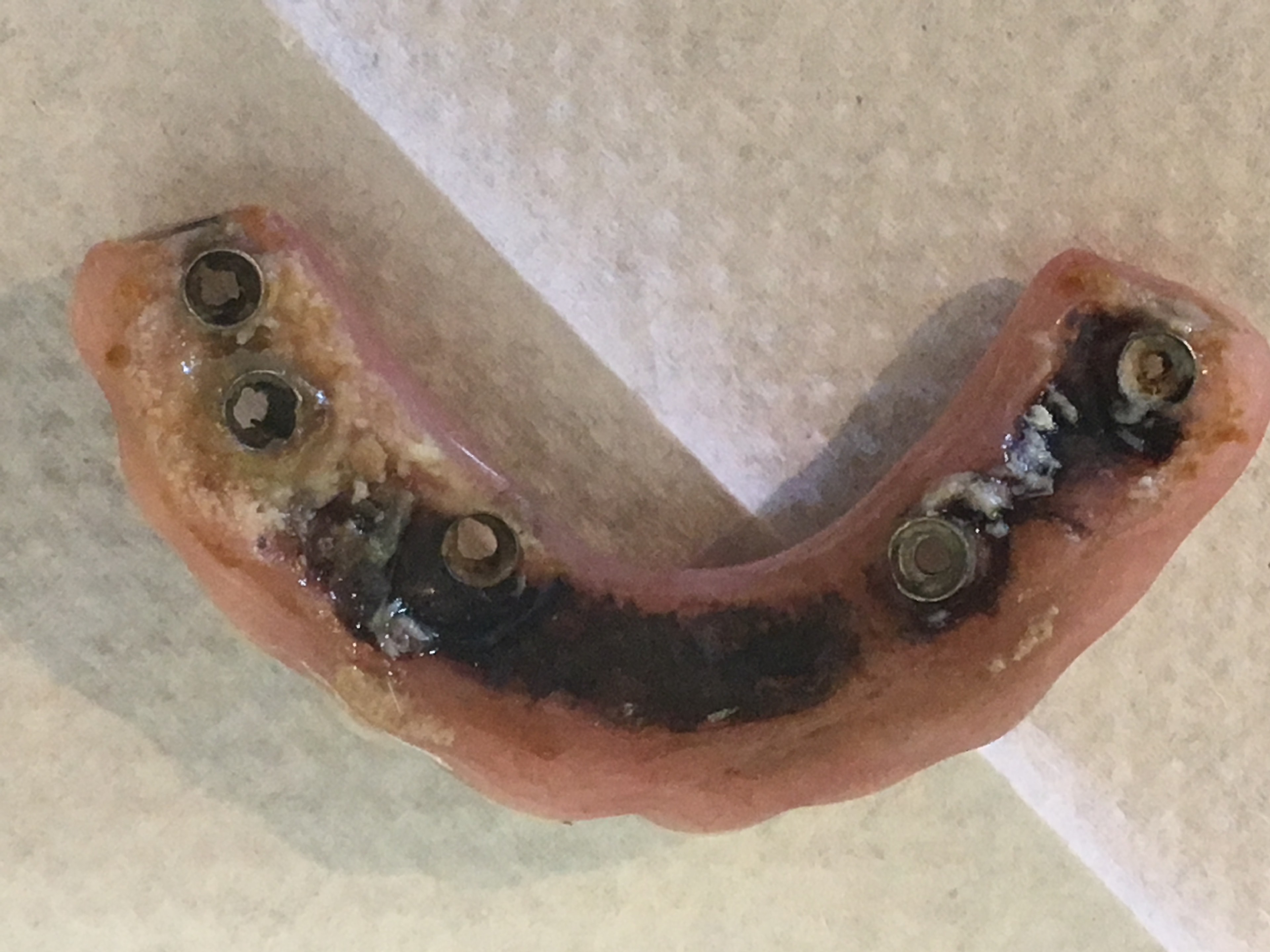
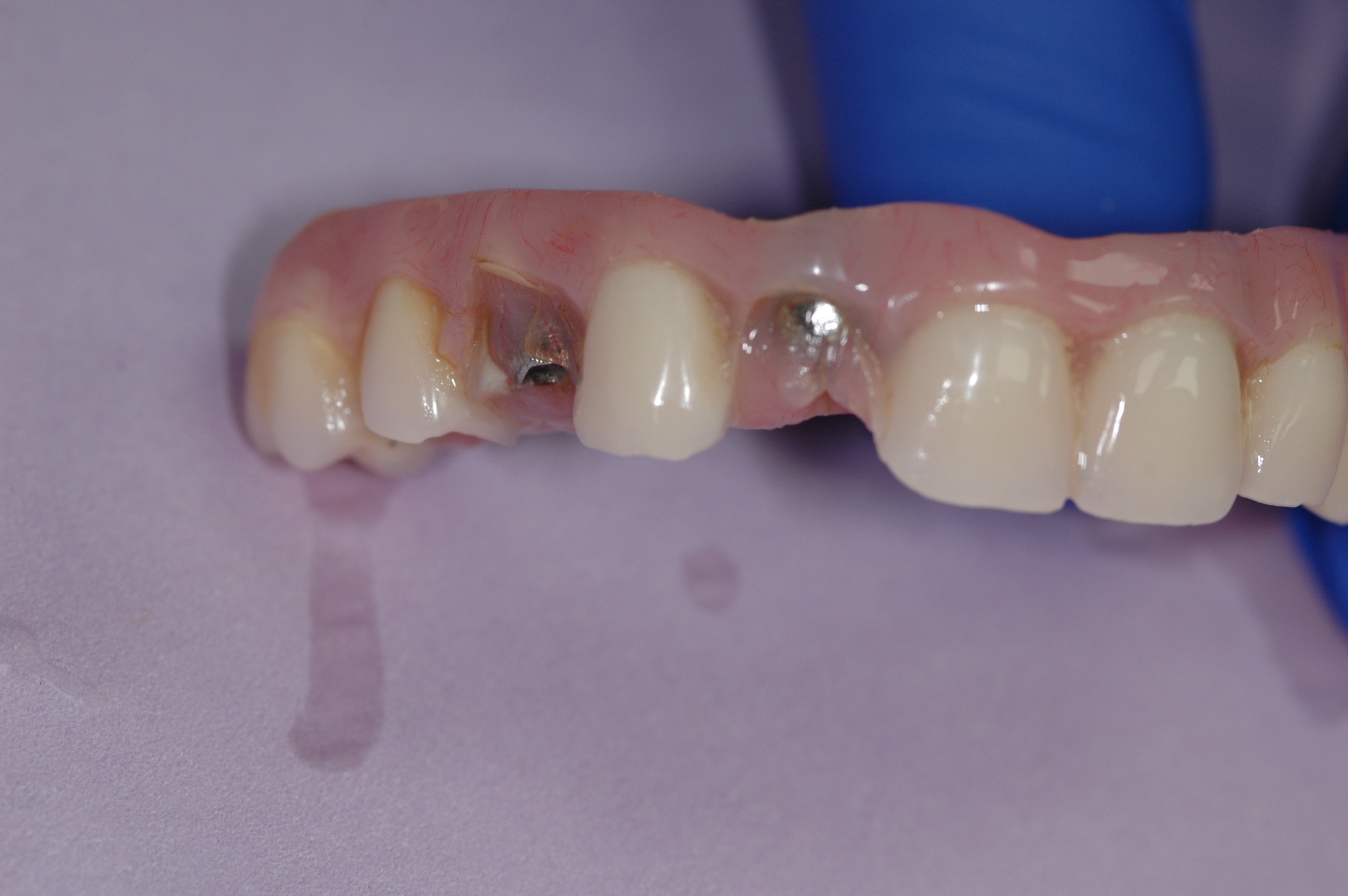
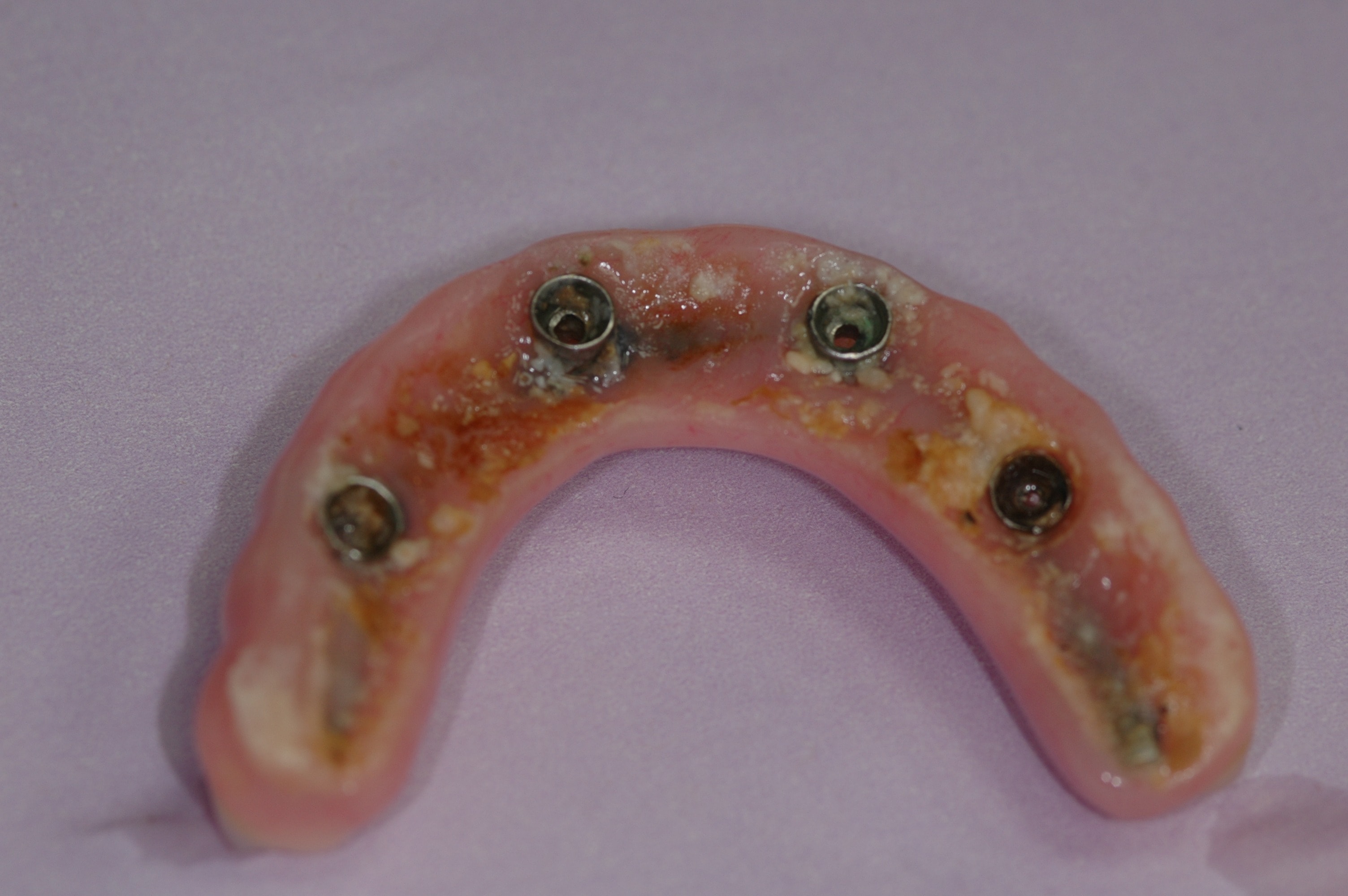
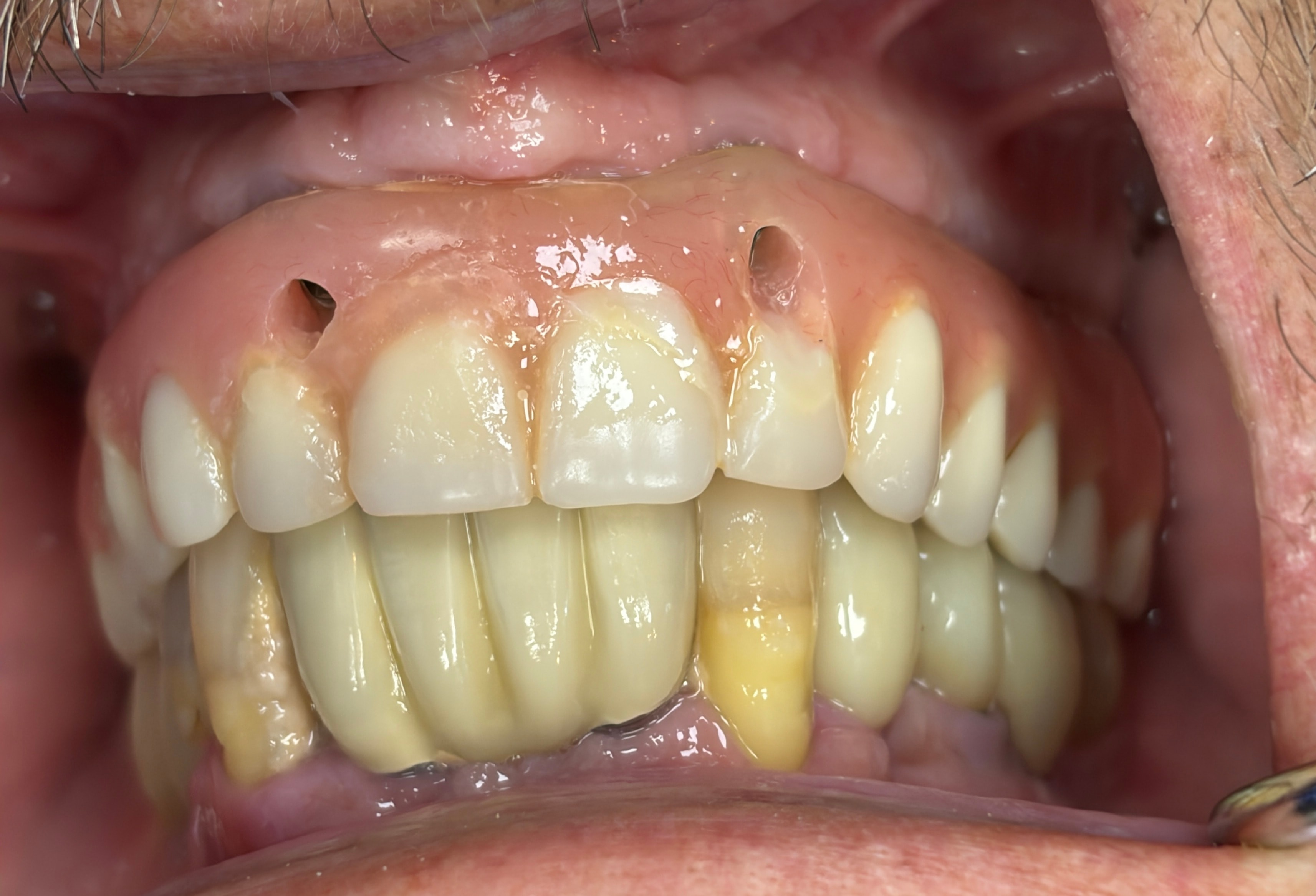
These are some of the examples of patients presenting from other offices with various complaints about their implant teeth.
Examples of Implant Failures
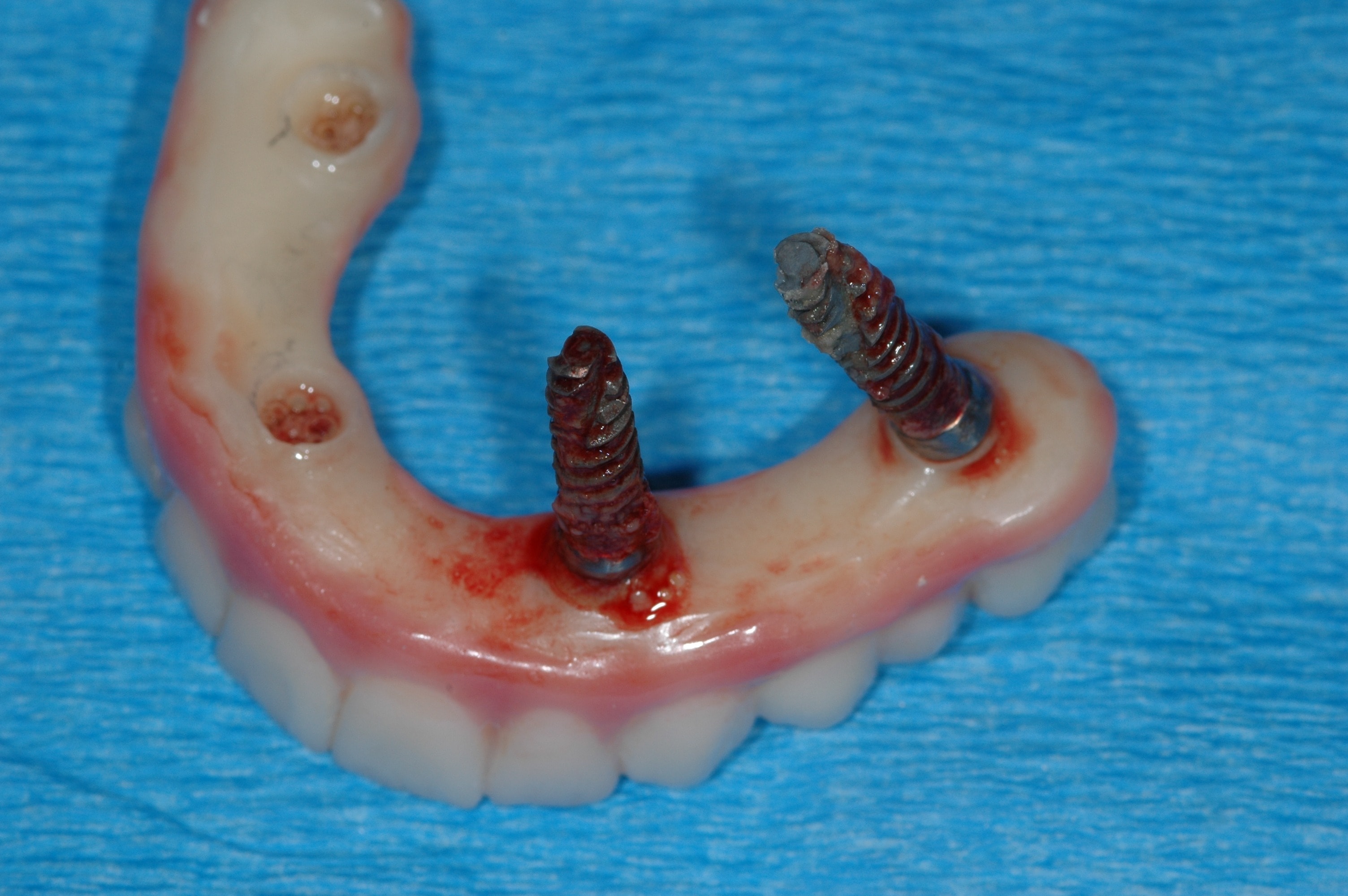
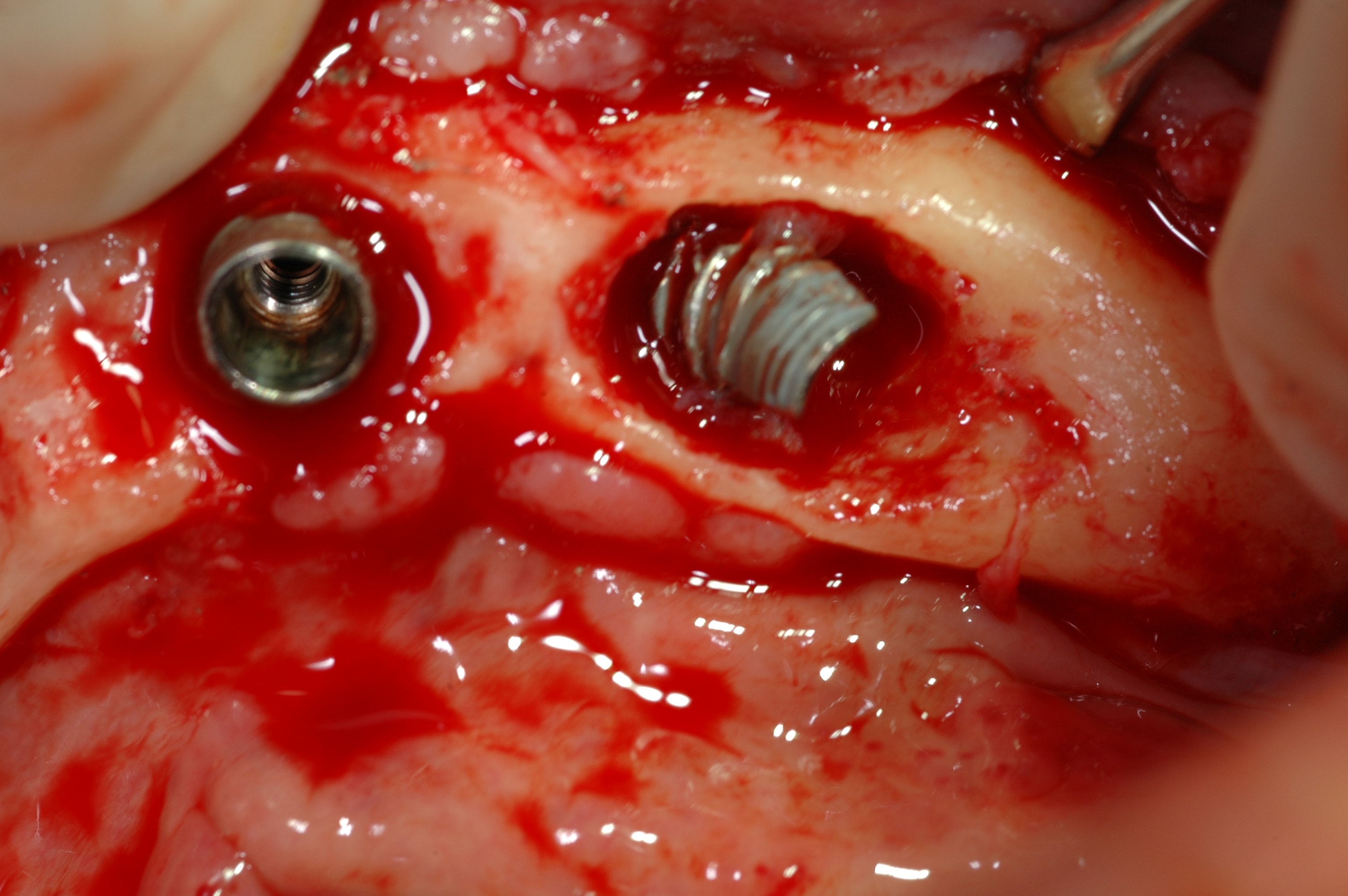
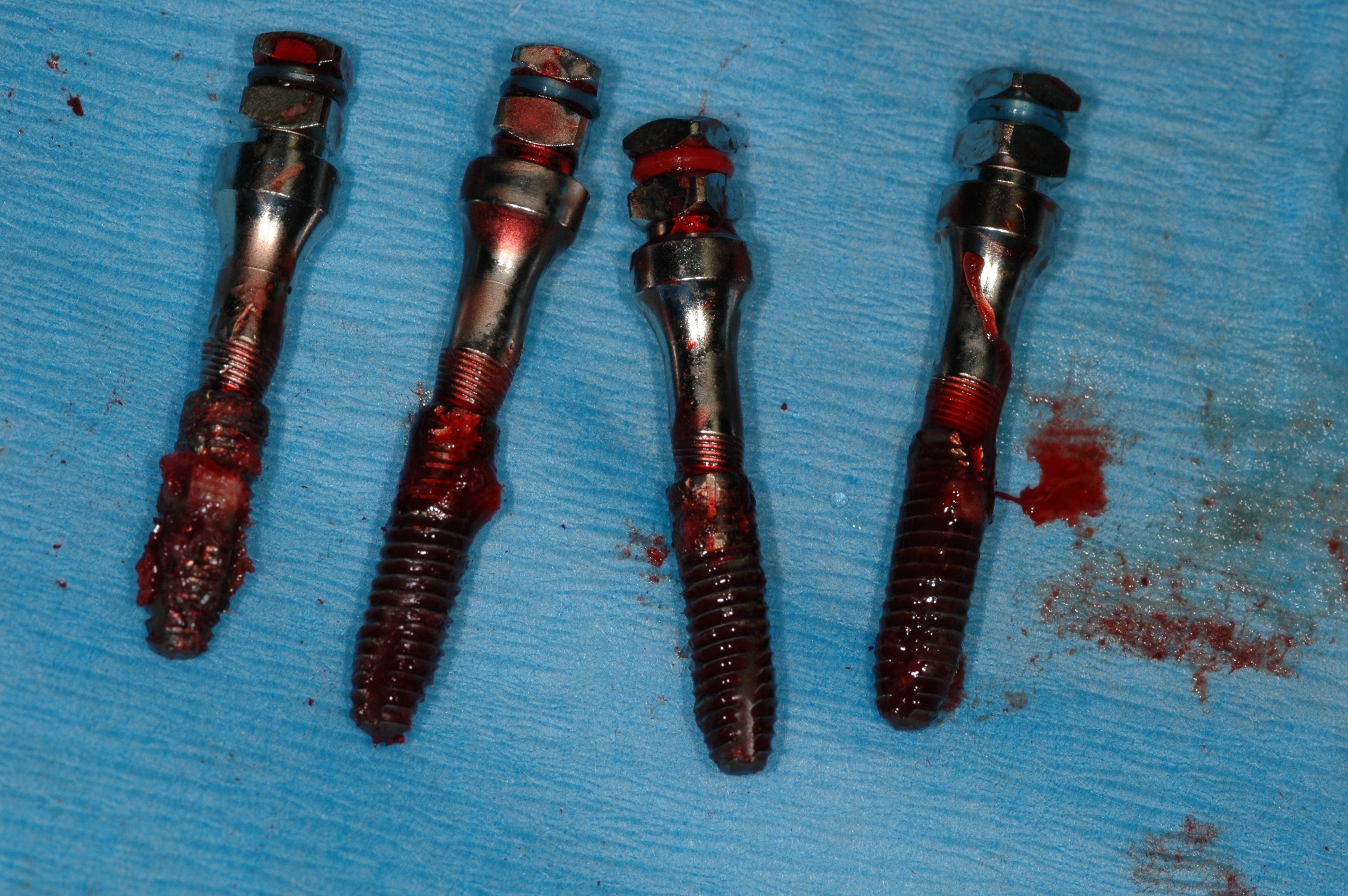
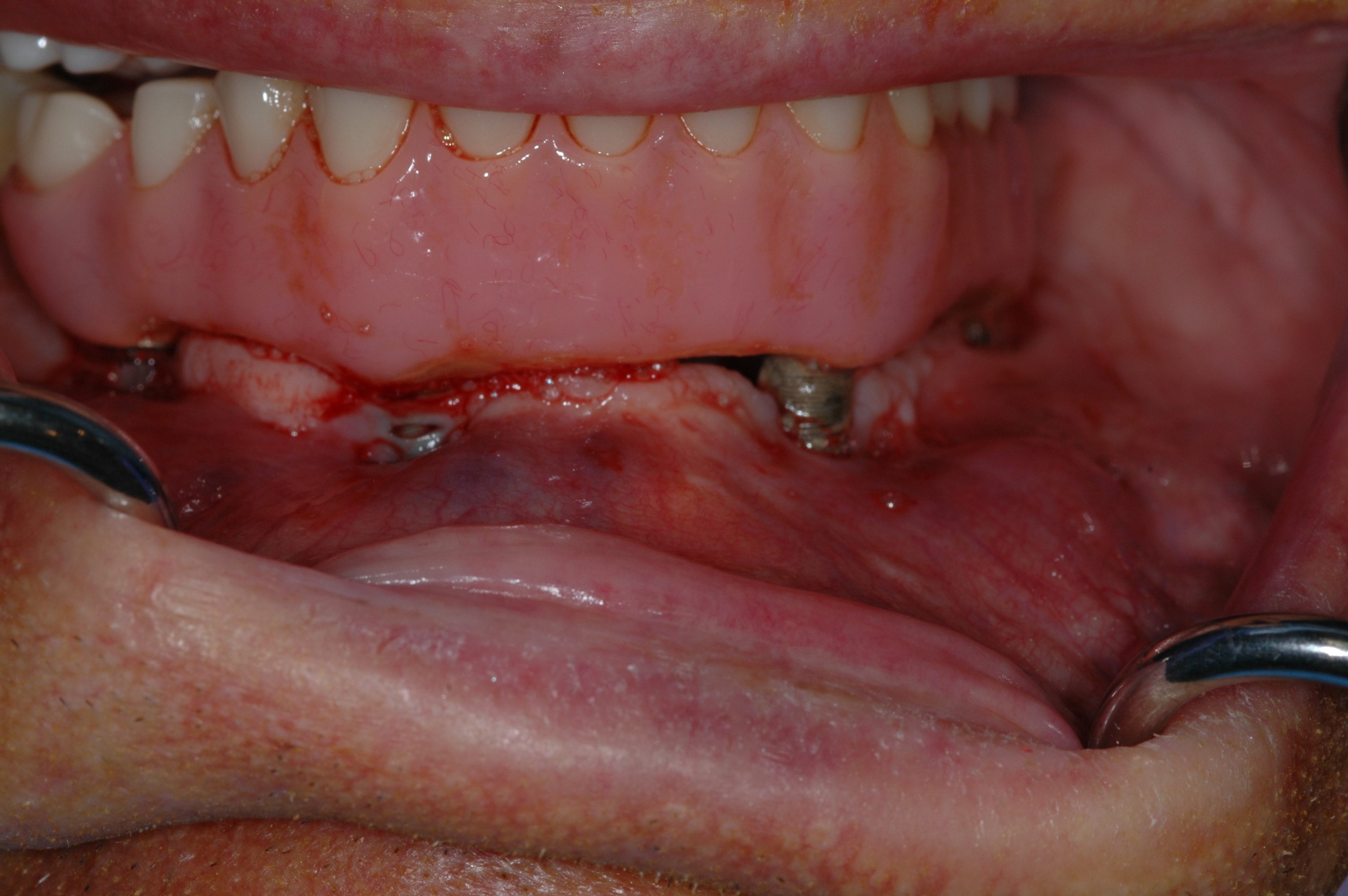
These are some of the examples of patients presenting from other offices with implant failures.
Problems with Inadequate Treatment Planning
Many complications associated with All-on-4 treatment can be traced back to inadequate treatment planning before surgery. When the restorative dentist is not actively involved in the planning process, fails to devote sufficient time to case evaluation, or does not effectively communicate with the surgeon, implant placement may be compromised. Unfortunately, these issues can create significant challenges during the restorative phase and are often difficult, costly, or sometimes impossible to fully correct later. Proper implant positioning is critical to the long-term success of an All-on-4 restoration and the durability of the final prosthesis. Excessive cantilevers (unsupported teeth extending beyond the implants) can be subjected to high biting forces, increasing the risk of prosthesis fracture. Likewise, poor treatment planning can result in excessive stress being transferred to the implants and surrounding bone, leading to bone loss, implant complications, or even implant failure over time. These risks are even greater in patients with a history of bruxism (teeth grinding or clenching). For such patients, careful treatment planning is essential to minimize excessive forces, optimize implant distribution, and design a prosthesis capable of withstanding the increased functional demands associated with bruxism.
Problems with the All-on-4® Restoration Process
The All-on-4® restoration process is highly technique-demanding, with numerous stages and patient try-ins. The restorative dentist must pay close attention to every step and direct the dental lab accordingly. If these steps are not followed or proper patient trials are not completed, the final prosthesis may not meet patient expectations — resulting in difficulty chewing, compromised aesthetics, and reduced durability.
The process of restoring an All-on-4 case and delivering the final prosthesis is highly technique-sensitive and involves multiple clinical and laboratory stages, including several patient try-in appointments. The restorative dentist must carefully oversee every step of the process and provide precise guidance to the dental laboratory to ensure optimal outcomes. If important protocols are overlooked, communication with the laboratory is inadequate, or patient try-ins are rushed or omitted, the final prosthesis may fail to meet the patient's expectations. The result can be problems with chewing efficiency, compromised smile esthetics, speech difficulties, discomfort, or premature wear and fracture of the restoration.
Caring for Your All-on-4 Teeth
- Use water floss and super floss to avoid food accumulation under the prosthesis.
- Schedule 4–6 month hygiene appointments to clean the gum around the implant area.
- Wear a soft night guard to protect the prosthesis at night.
- Have the small screws removed and replaced with original new screws every few years, as they will fatigue and fail over time.
Problems with Single Implants
Dental implants have become the standard of care in dentistry and can successfully restore chewing ability and improve facial dimensions and esthetics for patients with missing teeth. The dental implant success rate is more than 95%, and a well-designed implant-supported restoration can last more than 20 years.
Treatment planning plays a major role in the success of implant-supported restorations. Dentists must evaluate the patient's medical history and risk factors, the presence of adequate foundation bone, how many teeth are missing, and whether the patient needs facial support. Occlusal analysis also plays an important role — the restoration must be protected from excessive bite forces and engineered for longevity.
Why Dental Implants Occasionally Fail
Failed Osseointegration
Many factors can cause this — placing an implant in inadequate low-density bone, habits like smoking that affect wound healing and osseointegration, or immune-compromising medical conditions.
Peri-Implantitis (Infection)
This is an infection of the bone around the implant leading to bone loss and implant exposure. It is important to treat existing gum disease before getting a dental implant.
Mechanical Failure
Caused by mechanical failure or breakage of the screw or abutment. Underlying causes may include poor treatment planning that neglected potential excessive occlusal forces, causing excessive bone loss around the implant and restoration failure.
When a dental implant fails inside the mouth, it creates a very difficult situation for the patient and treatment challenges for the dentist. It may be possible to save the dental implant or restoration if problems are identified early. Patients are advised to go for routine exams and X-rays and to consult a specialist dentist (Prosthodontist) if they suspect their dental implant is failing.
Concerned About Your Implants?
Don't wait — early detection is key. Call Surprise Family Dentistry to schedule a consultation with Dr. Devi, our Prosthodontics specialist.